
How is furigana added automatically, and why are readings hard?

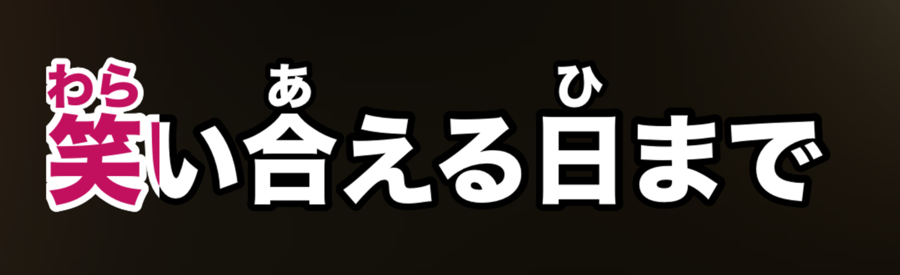
To add furigana to Japanese lyrics automatically, software first splits each sentence into words (morphological analysis), looks up each word’s reading in a dictionary, and places the reading above the kanji. The hard part is that the same kanji can be read differently depending on context and on how lyrics bend the rules.
In what order is furigana added?
There are three main steps.
- Split the sentence into words. Japanese has no spaces between words, so “今日は晴れ” has to be cut into 今日 / は / 晴れ. This step is called morphological analysis.
- Look up each word’s reading. For 今日 the dictionary gives きょう.
- Place the reading above the kanji. The word’s reading is matched to the kanji and the okurigana (the kana that follow a kanji).
Why does the same kanji have different readings?
Kanji are read differently depending on the word and its context. 日本 is read にほん or にっぽん, and 今日 is read きょう or こんにち. A dictionary stores several candidates and picks the most natural one from the surrounding words. Sometimes context alone is not enough to decide.
Why are lyrics especially difficult?
Lyrics use writing that ordinary prose does not.
- Ateji and special readings. Writing 本気 but singing it as マジ is not in any dictionary.
- Old expressions and coined words. For words the dictionary lacks, the reading can only be guessed.
- Mixed English and proper names. English words, personal names and place names do not always have one reading.
What does Hitokara do?
Hitokara splits lyrics into words with an on-device dictionary (Sudachi), assigns readings and shows them above the kanji. Readings that no dictionary contains, such as ateji, are covered by an exceptions dictionary. English, Korean and Chinese lyrics get katakana readings.
What if a reading is wrong?
You can correct it right from the lyrics screen.
Related reading: reading Japanese lyrics with furigana and romaji; pronouncing Japanese songs.