
Home karaoke setup: mic, speaker placement and how to stop feedback
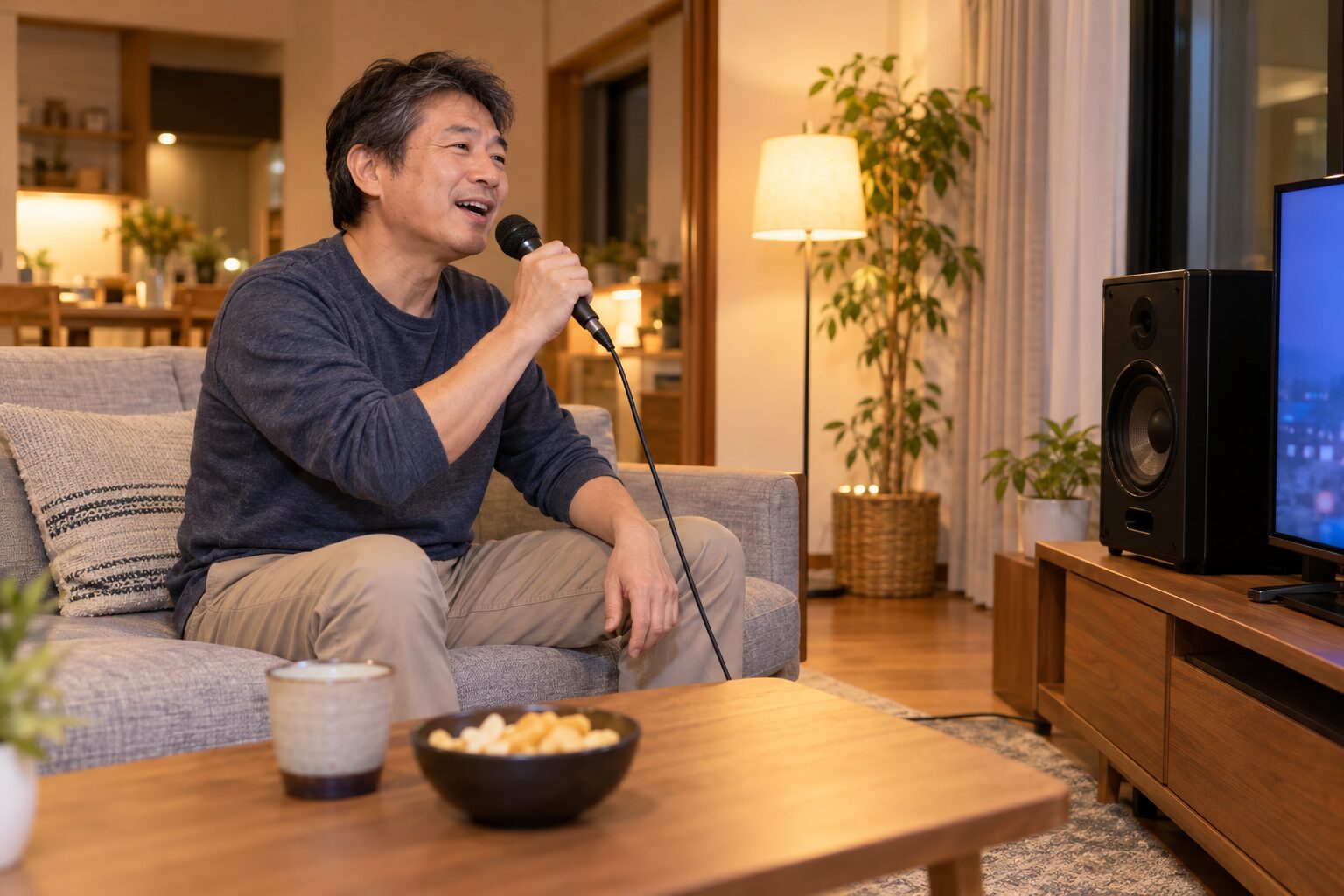
Home karaoke sounds best when the mic doesn’t face the speaker, the volume lets you hear your own voice, and you watch the time of day and how much sound travels through the floor. Before buying more gear, fix the layout first.
Wired, wireless or phone: which mic should I use?
Wired is the safest mic for home karaoke; wireless and phone mics each trade something for convenience.
| Mic type | Strength | Watch out for |
|---|---|---|
| Wired | No batteries, no radio interference, little delay | The cable limits how far you can move |
| Wireless | Free to move around, tidy look | Batteries and charging to manage |
| Phone | Easiest to start with | May lag, and feeds back more easily through a speaker |
Try the mic you already have first, and upgrade only if something bugs you.
Where should the speaker go?
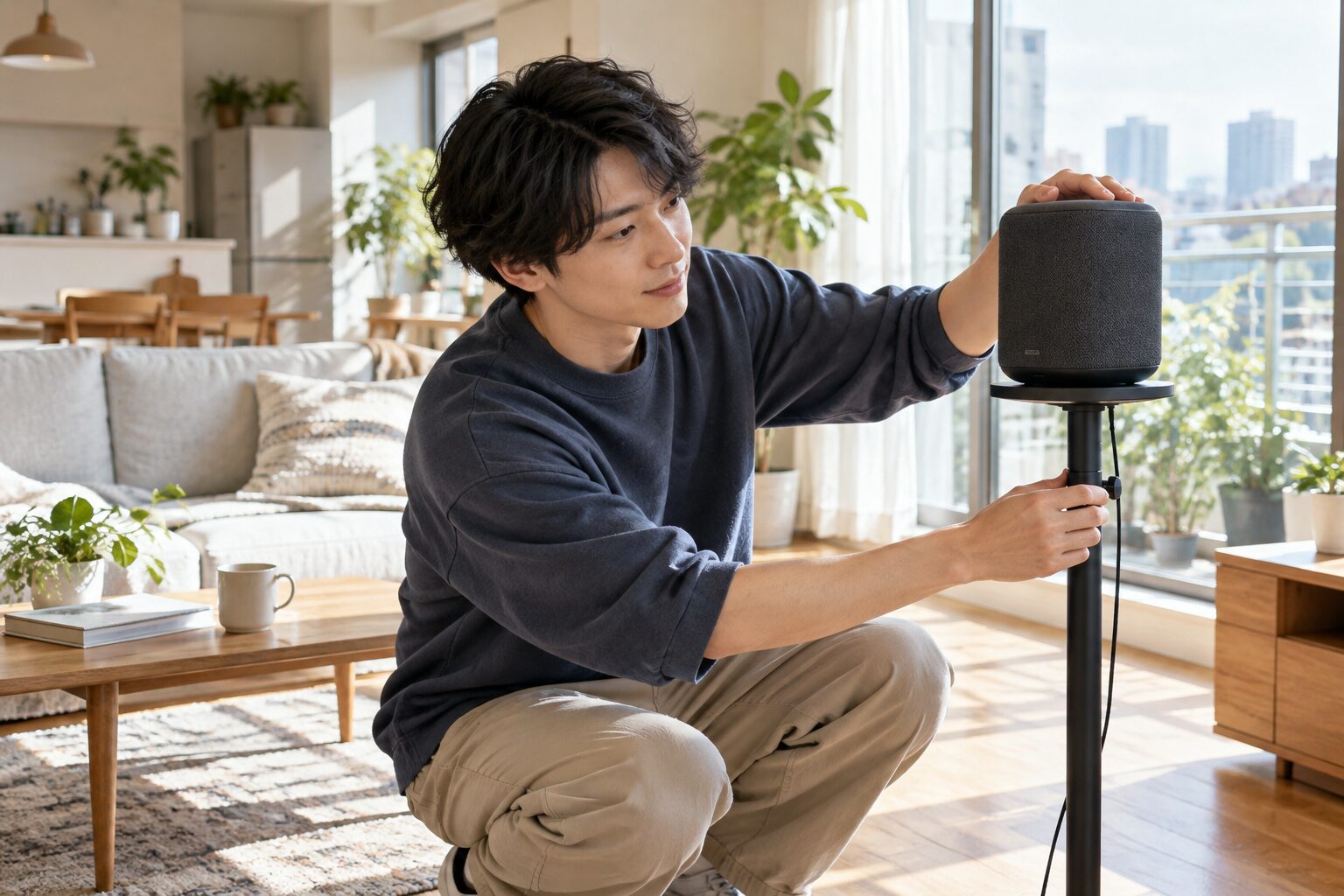
Put the speaker in front of the singer. Behind you or right beside you, the mic picks up its own speaker. Pushed against a wall, bass gets muddy, so leave a small gap. If you can’t hear yourself, try raising the speaker to ear height and adjusting its angle, but don’t aim it at the mic.
What causes feedback, and how do I stop it?
Feedback is a loop: the mic picks up sound from the speaker, the speaker plays it again, and it grows with each pass. To stop it, try these in order:
- Move the mic out from in front of the speaker.
- Turn the mic volume down a little.
- Put more distance between the mic and the speaker.
- Don’t cover the mic head with your hand.
- Keep the echo low, because too much echo makes feedback more likely.
How do I balance the volume?
A good balance is your voice sitting slightly clearer than the backing track. Set it in this order:
- Set the overall speaker volume first.
- Add mic volume bit by bit.
- Add echo last, and keep it light.
If your voice is buried, you end up shouting and your throat tires faster. If only your voice is loud, every off note shows.
How do I avoid bothering the neighbors?
Keeping the neighbors happy comes down to three things: timing, how sound travels, and a backup plan.
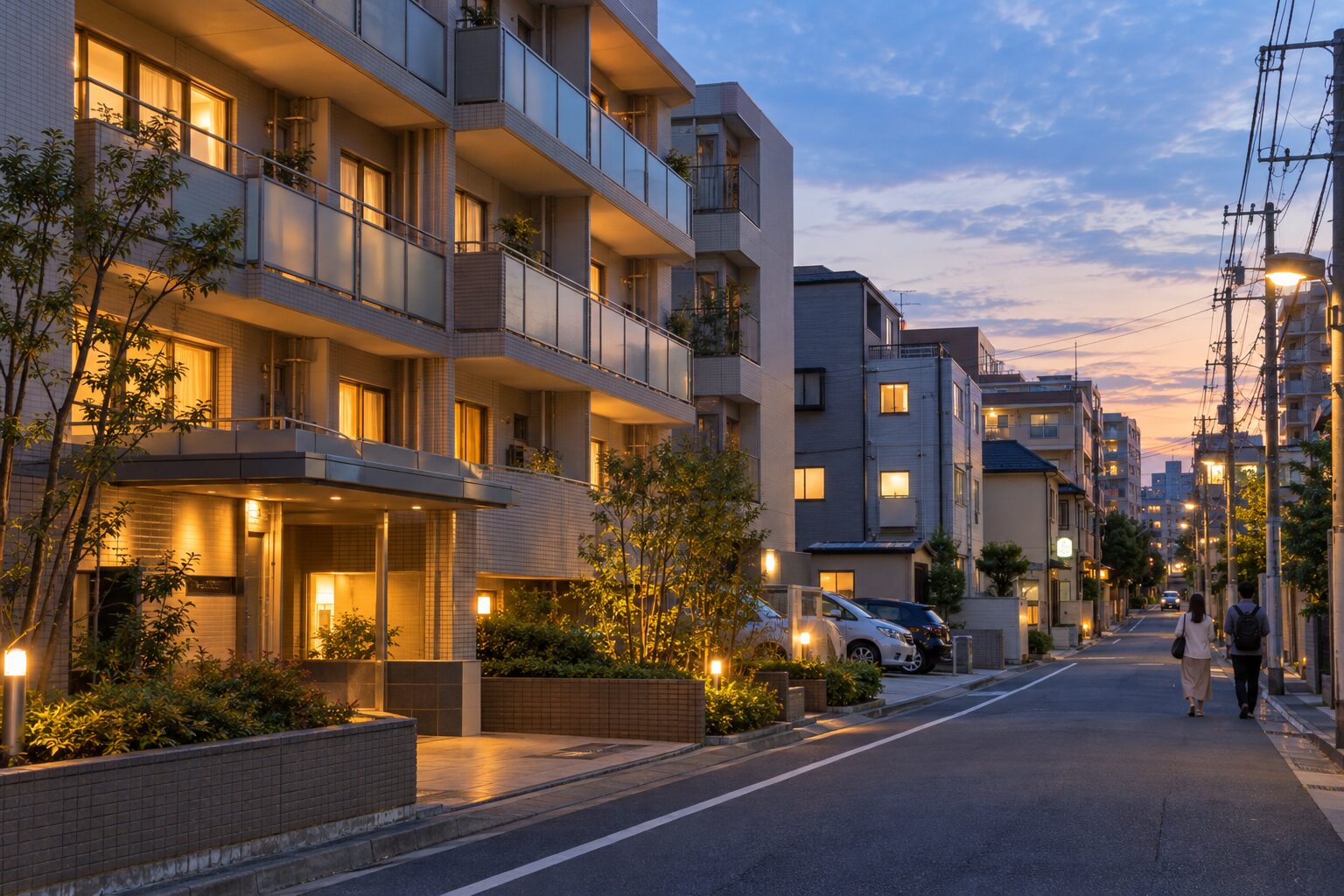
- Timing: Skip late nights and early mornings. In an apartment, daytime is the better choice, but keep sessions short and check your building’s rules.
- How sound travels: Bass moves through floors and walls, and you can’t block it completely. A thick mat under the speaker softens floor vibration, and keeping the speaker away from shared walls helps. Closing the windows keeps sound in. Curtains and a fabric sofa mostly cut the room’s echo, so things sound clearer.
- Backup plan: If you’re still worried, sing with headphones on for the backing track, and keep the volume moderate.
Singing at home
Hitokara shows lyrics that follow your Apple Music songs. For a big screen, pick songs on your iPhone and show lyrics on Apple TV. More in Karaoke at home with Apple TV and iPhone.